sehogi6860
Krewny Listkiewicza

Dołączył: 02 Wrz 2025
Posty: 1948
|
 Wysłany: Pon Gru 29, 2025 17:39 Temat postu: How Schools Can Support Students with Special Needs: A Guide Wysłany: Pon Gru 29, 2025 17:39 Temat postu: How Schools Can Support Students with Special Needs: A Guide |
 |
|
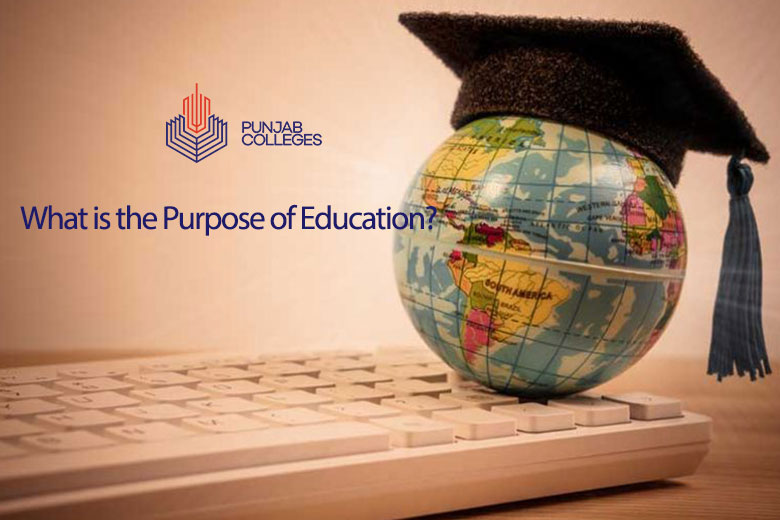
Education has always been at the heart of societal progress, shaping generations and defining futures. As we stand on the threshold of the future, the traditional structures of education are being redefined, embracing technology, innovation, and new methodologies. In this article, we will explore the evolving landscape of education, its challenges, and the exciting opportunities that lie ahead.
The Traditional Model of Education
Historically, education has followed a relatively rigid structure: students attend school, sit in classrooms, and are taught by teachers using textbooks and lectures. This model, while effective for centuries, is increasingly being questioned in today’s fast-paced, technology-driven world. The rise of the internet and digital tools has created an environment where information is more accessible than ever, leading to shifts in how and where learning takes place.
The Role of Technology in Education
Technology has been a game-changer in education. The advent of online learning platforms, digital classrooms, and educational apps has democratized access to knowledge. Platforms like Coursera, Khan Academy, and edX have made it possible for anyone, anywhere, to access high-quality education, often for free or at a low cost. This has paved the way for lifelong learning, allowing individuals to continue acquiring skills long after formal schooling ends.
Moreover, the integration of artificial intelligence (AI) and machine learning is personalizing the learning experience. Adaptive learning systems can now tailor educational content to individual students' needs, helping them learn at their own pace and ensuring no one is left behind. Virtual classrooms, augmented reality (AR), and virtual reality (VR) are also being explored to create immersive and interactive learning experiences, making complex subjects more engaging and easier to understand.
The Shift Toward Personalized Learning
One of the most significant changes in modern education is the shift from a one-size-fits-all approach to personalized learning. In traditional classrooms, students are often expected to learn the same material at the same pace, regardless of their individual strengths or weaknesses. Personalized learning seeks to address this by catering to the unique needs of each student.
This approach is made possible by technology, which enables teachers to monitor student progress in real time and adjust their teaching methods accordingly. With the help of learning analytics, educators can identify areas where students may be struggling and offer targeted support. This move toward individualized education is also fostering greater student autonomy, allowing learners to take charge of their own educational journeys.
The Importance of Social and Emotional Learning (SEL)
While academic achievement is important, emore helpducators and policymakers are increasingly recognizing the importance of social and emotional learning (SEL). SEL refers to the process through which students develop the skills to manage their emotions, build healthy relationships, and make responsible decisions. These skills are essential for success in both personal and professional life, and they are being integrated into curricula around the world.
The emphasis on SEL is particularly crucial in the wake of the COVID-19 pandemic, which disrupted traditional schooling and exacerbated feelings of isolation and anxiety among students. Schools are now focusing on creating supportive environments where students can thrive emotionally and socially, in addition to academically.
The Globalization of Education
As the world becomes more interconnected, education is no longer confined by geographic boundaries. Students can collaborate with peers across the globe, share ideas, and learn from diverse perspectives. The globalization of education is also evident in the increasing number of international students studying abroad or participating in exchange programs.
This global approach to education is not only expanding horizons for students but also fostering cross-cultural understanding and collaboration. In an increasingly diverse and interconnected world, these skills are more important than ever.
The Challenges Facing Modern Education
Despite the many advancements, education today faces several challenges. One of the most pressing issues is the digital divide. While many students have access to online learning resources, there are still significant disparities in access to technology, especially in rural or underserved areas. Governments and educational institutions must work to bridge this gap to ensure that all students have equal opportunities to succeed.
Another challenge is the evolving job market. As technology continues to change rapidly, the skills needed for future employment are also changing. Educators must ensure that students are equipped with the skills that will be in demand, including critical thinking, creativity, problem-solving, and digital literacy. There is also a growing need for emphasis on vocational and technical education to address the skills gap in many industries.
The Future of Education
Looking ahead, education is likely to become more flexible, adaptable, and learner-centric. Traditional classrooms will continue to coexist with online and hybrid models, offering students a wider range of options for how and when they learn. The integration of artificial intelligence, robotics, and immersive technologies will enhance the learning experience, making education more interactive, engaging, and personalized.
In addition, as the demand for lifelong learning grows, educational institutions will need to collaborate with businesses, governments, and non-profit organizations to create dynamic learning ecosystems. These collaborations will help ensure that education remains relevant and responsive to the needs of the global workforce.
Conclusion
The landscape of education is undergoing a profound transformation, driven by technology, innovation, and a shift toward personalized learning. While challenges remain, the future of education holds exciting possibilities. By embracing change and fostering an inclusive, adaptable, and engaging learning environment, we can empower students to succeed in an ever-evolving world. Education, after all, is not just about imparting knowledge—it's about preparing individuals to thrive in a rapidly changing world. |
|

 POMOC
POMOC Szukaj
 Użytkownicy
 Grupy
Grupy Rejestracja
 Profil
 Zaloguj się, by sprawdzić wiadomości
 Zaloguj


